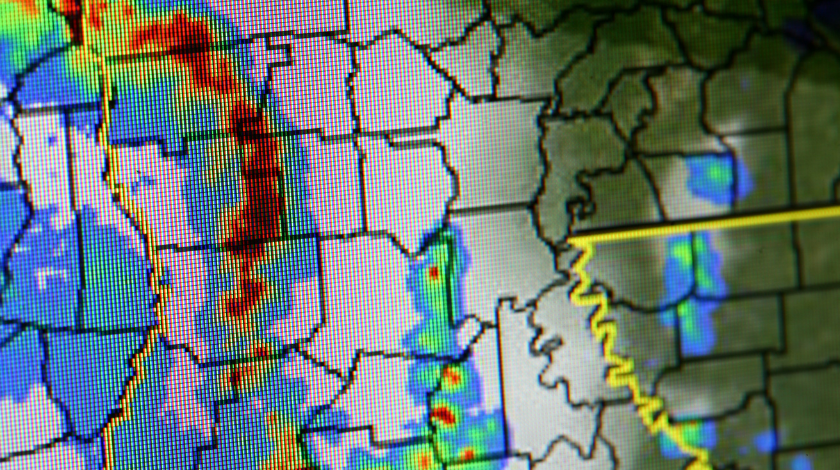
Living in South Carolina means accepting that severe weather can roll in fast and without much warning. Just recently, on March 12, 2026, residents across central South Carolina woke up to a series of severe thunderstorm alerts that put multiple counties on high alert. The National Weather Service in Columbia, SC, issued warnings affecting Clarendon, Sumter, Chesterfield, Kershaw, Lee, and Orangeburg counties, with some alerts extending until 1 p.m. that afternoon.
I remember sitting on my porch that morning, coffee in hand, watching the clouds gather in the distance. The air felt heavy and electric, that unmistakable feeling that tells you something is coming. Within an hour, my phone started buzzing with alerts, and I knew it was time to take action. This is the reality of spring in South Carolina: beautiful mornings can turn into dangerous afternoons in the blink of an eye.
The alerts that day were particularly concerning because they came with specific threats: wind gusts up to 55 mph, large hail, and the possibility of tornadoes. The National Weather Service tracked a line of storms stretching from west of Chesterfield to Mulberry, moving northeast at 45 mph.
For anyone in the path of that storm system, understanding what these alerts meant and knowing exactly what to do could make the difference between safety and disaster.
Understanding What Just Happened: Breaking Down the March 2026 Alerts
When severe thunderstorm alerts hit multiple counties simultaneously, it creates a complex situation in which different areas face varying levels of risk. On that Thursday morning, the initial severe thunderstorm warning for Clarendon and Sumter counties was set to expire at noon. Still, as the storm cells moved, new warnings popped up for Chesterfield, Kershaw, Lee, and Sumter counties until 11:45 a.m.
What made this event particularly challenging was the simultaneous tornado watch that covered much of central South Carolina until 1 p.m. This meant that while severe thunderstorms were already occurring, conditions were also favorable for tornado development. If you have never experienced both alerts at once, it can be confusing and frightening. The key is understanding that the thunderstorm warning meant immediate danger from the storm itself. In contrast, the tornado watch meant you needed to stay extra vigilant because the rotating storms could spawn funnel clouds.
The affected areas included major population centers like Sumter, Cheraw, and Bishopville, along with critical infrastructure such as Interstates 20 and 95. When major transportation corridors are under weather alerts, the impact extends beyond just residents to include travelers passing through the state. This is why South Carolina’s emergency management systems are designed to communicate across multiple channels, reaching both locals and visitors.
Watch vs. Warning: The Critical Difference That Saves Lives
One of the most common points of confusion during severe weather events is the difference between a watch and a warning. I have seen neighbors panic when a watch is issued, then relax when they should stay alert, or ignore a warning because they think it is just a routine announcement. Let me clear this up once and for all because knowing the distinction is fundamental to your safety.
A severe thunderstorm watch means that conditions are favorable for the development of severe thunderstorms. It covers a large area, often multiple counties or even states, and lasts for several hours. When a watch is issued, you should review your safety plan, check your emergency supplies, and stay tuned to weather updates. Think of it as the weather service telling you, “Hey, keep your guard up today.”
A severe thunderstorm warning is entirely different and much more serious. This means that severe weather is occurring or will occur within minutes. Either Doppler radar has detected dangerous conditions, or trained weather spotters have reported hail larger than an inch, wind gusts over 58 mph, or actual tornado formation. When a warning is issued for your specific location, you need to take shelter immediately. There is no time to finish mowing the lawn or grab one more thing from the store.
The same distinction applies to tornado alerts. A tornado watch means tornadoes are possible, so be prepared to act. A tornado warning means a tornado has been spotted or indicated by radar, and you must seek shelter right now. During the March 12 event, residents had to navigate both thunderstorm warnings and a tornado watch simultaneously, requiring them to remain in a state of readiness and be prepared to move to shelter at a moment’s notice.
Immediate Actions: What to Do When Alerts Sound
When your phone buzzes with a severe thunderstorm warning, or you hear the emergency alert tones on television and radio, your response in the next few minutes matters enormously. Over the years, I have developed a mental checklist that I run through automatically, and I recommend you do the same.
First, assess your current location. Are you indoors or outdoors? If you are outside, find shelter immediately in a sturdy building. If you are driving, do not try to outrun the storm. Instead, find a safe place to pull over, preferably under a sturdy structure, though avoid overpasses, which can act as wind tunnels and collect debris.
Once indoors, move to the center of the building on the lowest floor. Put as many walls between you and the outside as possible. Interior bathrooms, closets, and hallways are typically the safest spots. Stay away from windows, glass doors, and skylights. I learned this lesson the hard way during a storm years ago when a tree branch shattered a window in my living room. Now, I automatically move to my interior hallway whenever warnings are issued.
During the storm, avoid using corded phones and electrical equipment. Lightning can travel through wiring and plumbing, so stay away from sinks, showers, and bathtubs until the storm passes. If you need to make emergency calls, use your cell phone. The old saying “when thunder roars, go indoors” is not just a catchy phrase; it is lifesaving advice, backed by statistics showing that lightning strikes the United States about 25 million times each year, killing an average of 20 people.
Preparing Your Home and Family Before the Storm
Preparation is not about paranoia; it is about peace of mind. When you know you have taken steps to protect your family and property, you can face severe weather with confidence rather than fear. The best time to prepare is when the skies are clear, and you have time to think clearly.
Start by assembling an emergency kit. The Federal Emergency Management Agency recommends including one gallon of water per person per day for at least three days, a three-day supply of non-perishable food, a battery-powered or hand-crank radio, flashlight, first aid kit, whistle to signal for help, dust mask, plastic sheeting and duct tape for sheltering, moist towelettes, garbage bags, manual can opener, and local maps.
I keep my kit in a waterproof container in my basement, and I check it twice a year when we change the clocks for daylight saving time.
Your home itself needs preparation, too. Remove dead or rotting trees and branches that could fall during high winds. Secure outdoor objects, such as patio furniture, grills, and trash cans, that could become dangerous projectiles. Consider installing surge protectors to safeguard electronic equipment from lightning strikes. If you live in a mobile home, identify the nearest sturdy building where you can shelter during warnings, because mobile homes offer little protection against severe winds.
Communication planning is equally important. Designate an out-of-state contact that family members can call to check in if local phone lines are overwhelmed. Make sure everyone in your household knows where the emergency kit is stored and where to meet if you get separated. Practice your plan during the annual statewide tornado drill, held on March 11 at 9 a.m. in 2026.
Practicing when the weather is good helps you react faster when seconds count.
Driving Safety: Navigating South Carolina Roads During Severe Weather
South Carolina’s highway system, including major interstates such as I-20, I-95, and I-26, sees heavy traffic even during severe weather. If you find yourself on the road when thunderstorm alerts are issued, knowing how to drive safely can prevent accidents and potentially save your life.
The first rule is to slow down and turn on your headlights, even during daylight. Reduced visibility from heavy rain means other drivers may not see you until it is too late. Stick to the middle lanes when possible, as water tends to accumulate at road edges and can cause hydroplaning. Hydroplaning occurs when a layer of water builds between your tires and the road surface, causing you to lose traction. It can happen with as little as one-tenth of an inch of water on the road.
If your vehicle starts to hydroplane, do not panic. Ease off the accelerator and steer gently in the direction you want to go. Wait for the tires to reconnect with the road before straightening your wheels. Avoid sudden braking, which can cause your vehicle to skid. If you have anti-lock brakes, apply steady pressure; if not, pump the brakes gently.
Never drive through flooded roadways. The phrase “turn around, don’t drown” exists because more than half of all flood-related deaths occur when people drive into floodwaters. Just six inches of fast-moving water can knock you down, and one foot of water can sweep your vehicle away.
During the March 2026 storms, flash flooding was a significant concern across South Carolina’s low-lying areas, and several roads became impassable within minutes of heavy rainfall.
If conditions become too dangerous to continue driving, find a safe place to pull over. Avoid stopping under overpasses or bridges, as these areas can become crowded and dangerous. Instead, look for sturdy buildings where you can shelter inside. Stay in your vehicle with your seatbelt fastened if no building is available, and cover your head with your arms and any available cushioning, such as a coat or blanket.
After the Storm: Recovery and Assessment
Once the severe thunderstorm warnings expire and the skies begin to clear, your job is not done. The period immediately following a storm can be just as dangerous as the storm itself, particularly due to downed power lines, flooding, and structural damage.
First, check on your family members and neighbors, especially those who are elderly or have special needs. Make sure everyone is accounted for and uninjured. If someone is hurt, provide first aid if you are trained, and call for emergency services if needed. Use the telephone only for emergency calls immediately after a storm, as lines may be needed for official communications.
Next, assess your property for damage. Look for fallen power lines and report them to your utility company immediately. Stay out of damaged buildings until they have been inspected for structural integrity. Check for gas leaks by smelling for rotten egg odors or listening for hissing sounds. If you suspect a leak, turn off the main gas valve, open windows, and leave the area immediately.
Document any damage with photographs for insurance purposes. Contact your insurance agent as soon as possible to begin the claims process. Remember that standard homeowner’s insurance does not cover flood damage, so if you live in a flood-prone area, you should have separate flood insurance through the National Flood Insurance Program.
The National Weather Service relies on reports from citizens to verify storm damage and improve future warnings. If you observed significant weather phenomena like large hail, damaging winds, or tornadoes, report them to your local NWS office. In South Carolina, you can contact offices in Columbia, Charleston, Greenville-Spartanburg, or Wilmington, North Carolina, depending on your location.
Building Long-Term Preparedness: Beyond the Immediate Alert
While responding correctly to immediate alerts is crucial, developing a long-term preparedness mindset will serve you better over time. South Carolina experiences severe weather seasonally, particularly during spring and summer, so preparation is not a one-time event but an ongoing practice.
Stay informed by having multiple ways to receive weather alerts. NOAA Weather Radios are specifically designed to broadcast continuous weather information and sound audible alerts when warnings are issued for your area. They cost less than $40 and function like smoke detectors for severe weather. I keep one in my bedroom and another in my kitchen so I never miss an alert, even if my phone is on silent or charging in another room.
Wireless Emergency Alerts (WEA) on your cell phone provide another layer of protection. These alerts are free and do not require downloading an app. They look like text messages but include a special tone and vibration to get your attention. When you receive a WEA message, follow the advised action immediately and seek additional details from local news sources.
Consider downloading weather apps that provide real-time radar and alert information. The South Carolina Emergency Management Division offers a free SC Emergency Manager App that helps with planning and preparation.
Local television and radio stations also provide continuous coverage during severe weather events, so keep a battery-powered radio handy in case power outages affect your internet and television service.
Community preparedness matters too. Get to know your neighbors and discuss how you can help each other during emergencies. Identify community shelters in your area and know how to get there quickly. Participate in local emergency management programs and stay informed about improvements to local warning systems. The more connected and prepared your community is, the more resilient it will be when severe weather strikes.
Conclusion: Staying Safe When South Carolina Storms Hit
Severe thunderstorm alerts for multiple South Carolina counties are not just routine weather announcements; they are calls to action that require immediate attention and proper response. The events of March 12, 2026, remind us that the weather can change rapidly and affect wide areas simultaneously, putting thousands of residents at risk.
Understanding the difference between watches and warnings, knowing where to shelter, preparing your home and family, and staying informed through multiple channels are not just good ideas; they are essential survival skills for anyone living in or traveling through South Carolina. The National Weather Service, the South Carolina Emergency Management Division, and local officials work tirelessly to provide accurate and timely information. Still, ultimately, your safety depends on how you respond to it.
I have lived through enough South Carolina storms to know that preparation and knowledge make all the difference. The peace of mind that comes from having a plan, supplies, and the confidence to act quickly is invaluable. Do not wait for the next round of severe thunderstorm alerts to start thinking about your safety. Take action today, while the sun is shining, to ensure you and your loved ones are ready when the skies turn dark again.
Frequently Asked Questions (FAQ)
Q: What is the difference between a severe thunderstorm watch and a warning? A: A watch means severe thunderstorms are possible in your area, so stay alert and be prepared to act. A warning means severe weather is occurring or will occur within minutes, and you should take shelter immediately in a sturdy building.
Q: How long do severe thunderstorm warnings typically last? A: Severe thunderstorm warnings usually last between 30 and 60 minutes, depending on how fast the storm is moving and how long dangerous conditions persist. Always stay tuned for updates as conditions can change rapidly.
Q: Where is the safest place to be during a severe thunderstorm? A: The safest place is inside a sturdy building on the lowest floor, in an interior room away from windows. Put as many walls between you and the outside as possible. Basements, interior bathrooms, and closets are typically the safest spots.
Q: Can I use my cell phone during a thunderstorm? A: Yes, cell phones are safe to use during thunderstorms because they are not connected to wiring systems that lightning can travel through. However, avoid using corded phones and stay away from electrical outlets, plumbing, and windows.
Q: What should I do if I am driving when a severe thunderstorm warning is issued? A: Do not try to outrun the storm. Find a safe place to pull over, preferably near a sturdy building where you can shelter. If no building is available, stay in your vehicle with your seatbelt on and cover your head. Avoid stopping under overpasses or bridges.
Q: How can I receive weather alerts if the power goes out? A: Keep a NOAA Weather Radio with battery backup, as it will continue to broadcast alerts even during power outages. Also, ensure your cell phone is charged, and consider keeping a portable charger or power bank in your emergency kit.
Q: Does South Carolina have a specific severe weather season? A: While severe weather can occur year-round, South Carolina typically sees increased severe thunderstorm and tornado activity during spring (March through May) and again during late summer and early fall when tropical systems can affect the state.
About the Author