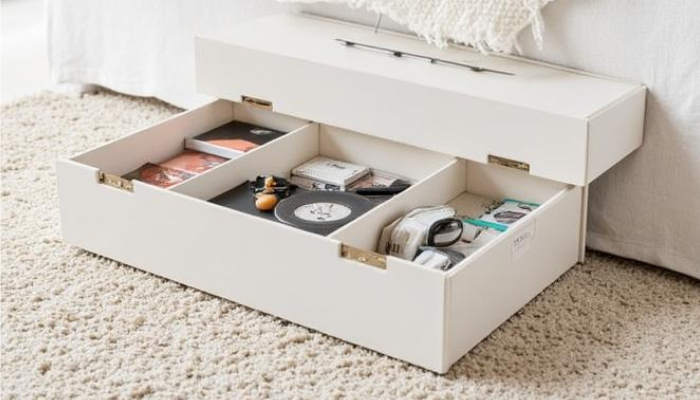
Slylar Box: the modern answer to everyday clutter
Clutter is rarely caused by having “too much stuff.” More often, it comes from having too few systems. When everyday essentials lack a reliable home, they drift from countertop to chair, from car to hallway, and back again. That is where the idea of the Slylar Box earns attention: a practical, modular storage approach that treats organization like a flexible toolkit, not a one-time clean-up project.
If you have seen the phrase “Slylar Box” online, you may be looking at a specific product line, a trending organizer style, or a shorthand term people use for sleek, stackable storage boxes that look good in real rooms. In this article, we will treat Slylar Box as a storage concept: a coordinated set of modular boxes and accessories designed to create tidy, repeatable systems across your home, office, car, or studio.
The appeal is simple. A good box does more than hold items. It reduces decisions, shortens clean-up time, protects what you own, and makes your space feel calmer. A great box does all that while also fitting your shelves, matching your aesthetic, and adapting as your life changes.
What makes a “Slylar Box” different from a basic storage bin?
Most storage containers are designed to solve one problem: hold items. A Slylar Box style system aims to solve several problems at once, especially the ones people run into after the first burst of decluttering motivation fades.
1) Modularity that scales up or down
A modular storage box works like a set of building blocks. You can start with a few and expand later without replacing everything. The best modular systems offer:
- Multiple sizes with consistent footprints
- Stackable, stable bases
- Optional dividers, trays, or inserts
- Compatible lids across sizes where possible
This matters because an organization is never static. Holidays, hobbies, kids’ phases, and job changes all introduce new categories of items.
2) A “home” for categories, not random piles
The Slylar Box approach encourages category-based storage: cables with cables, batteries with batteries, skincare with skincare. When each category has a dedicated container, putting things away becomes almost automatic.
3) A cleaner visual footprint
Many people avoid storage boxes in living spaces because they look industrial or mismatched. A Slylar Box aesthetic usually leans toward clean lines, neutral colors, and a consistent design language. When your storage looks intentional, you can keep it out in the open without the room feeling messy.
Core features to look for in a Slylar Box system
Not every “nice-looking box” performs well in real life. If you are shopping for Slylar Box-style organizers, these features are the difference between a system you love and one you abandon.
Secure stacking
Stacking should feel stable, not wobbly. Look for rims, grooves, or locking points that prevent sliding. If you plan to stack high (closets, garages, pantries), stability is non-negotiable.
Easy access lids
Some lids are so annoying that people stop using them. The sweet spot is a lid that seals when needed but opens quickly. Hinged lids, lift-off lids with a finger lip, or front-opening designs can be more “daily friendly” than tight snap lids.
Visibility options
Transparent sides are ideal for garages, craft rooms, and tool areas. Opaque boxes look calmer in bedrooms and living rooms. Many people mix both: clear for backstock storage, opaque for front-facing zones.
Divider inserts and small-part control
If your “box of cables” turns into a knot, you did not fail. The box did. A strong Slylar Box ecosystem includes:
- Adjustable dividers
- Small trays for tiny parts
- Cable wraps or elastic loops
- Label windows or tag slots
Comfort and portability
If you will carry boxes (car supplies, kids’ activities, cleaning caddies), handles matter. Rounded edges and comfortable grips reduce the friction of using the system.
Materials and finishes: choosing what fits your life
A Slylar Box style setup can be made from different materials, each with real pros and cons.
Plastic (PP, ABS, recycled blends)
Great for durability, moisture resistance, and easy cleaning. Ideal for bathrooms, pantries, laundry rooms, and garages. If sustainability is a concern, prioritize recycled content and long-lasting designs that won’t need to be replaced.
Fabric and felt
Soft storage works well for closets, shelves, and under-bed zones. It looks warm and “homey,” though it does not protect as well from moisture, pests, or spills.
Bamboo or wood composites
Often chosen for open shelving or decor-forward spaces. Wood looks beautiful, but it needs more care around humidity and leaks.
Metal
Excellent for workshops and heavy-duty use. It can be noisier and visually “harder,” so it is often best reserved for utility areas.
The most important rule is simple: match the material to the environment. Moisture-prone areas need easy-clean, water-resistant boxes. Display areas benefit from attractive textures and consistent colors.
How to use Slylar Box in every room (with practical examples)
A modular box system pays off fastest when it is applied to daily friction points, not just deep storage.
Entryway and “drop zone.”
Common mess: keys, sunglasses, mail, chargers, dog gear.
Slylar Box setup idea:
- 1 shallow box for keys and wallets
- 1 box for pet supplies (treats, bags, wipes)
- 1 small box labeled “outgoing” for returns and errands
This creates a simple ritual: drop items into their box, not onto furniture.
Kitchen and pantry
Common mess: snack bags, spice packets, baking tools, backstock.
Better than random bins is a category map:
- Boxes for snacks by type (sweet, savory, school-safe)
- A baking box (measuring cups, piping tips, candles)
- A “quick dinners” box (sauces, rice, seasoning blends)
If you want the pantry to stay tidy, keep labels specific. “Food” is too broad. “Lunch snacks” is actionable.
Bathroom
Common mess: skincare overflow, hair tools, first aid, travel minis.
Slylar Box setup idea:
- Daily skincare in one small box
- Hair tools in a heat-safe, ventilated container if needed
- A first-aid box that is easy to grab quickly
- A travel box that you restock after each trip
This is where moisture resistance and easy-to-wipe surfaces shine.
Closet and wardrobe
Common mess: accessories, seasonal items, socks, gym gear.
Try a “capsule box” approach:
- One box for winter accessories
- One box for formal accessories (belts, ties, clutch items)
- One box for gym and swim (goggles, resistance bands, caps)
When a season ends, you swap the box placement, not the entire closet.
Home office
Common mess: cables, adapters, stationery, paper stacks.
A Slylar Box system can create a clean desk without hiding essentials:
- A cable management box (labeled by device or type)
- A “shipping and returns” box (tape, labels, scissors)
- A document box with folders (tax, warranties, medical)
The goal is to reduce “micro clutter,” the tiny items that make a desk feel chaotic.
Kids’ spaces and family areas
Common mess: small toys, art supplies, game pieces.
Make it easy for kids to reset the room:
- One box per toy category (blocks, figures, cars)
- A craft box with sub-trays for crayons, glue, and stickers
- Clear labels with words and pictures
An organization that depends on perfect sorting will not survive in the real world. Simple categories win.
Garage, tools, and utility storage
Common mess: hardware, cords, car supplies, seasonal decor.
Here, clarity matters:
- Clear boxes for parts and consumables
- Stackable heavy-duty boxes for seasonal items
- A dedicated car box (jumper cables, flashlight, first aid)
Add a printed inventory list inside the lid for boxes you open only twice a year.
The Slylar Box method: a step-by-step setup that actually sticks
If you want a system you will still use in six months, set it up like a designer and maintain it like a minimalist.
Step 1: Define your categories before buying boxes
Write categories first. Then measure your shelves. Then buy containers.
If you buy containers first, you will subconsciously fill them with miscellaneous items.
Step 2: Measure the space, not your hope
Measure shelf width, depth, and height, including any lip or door hinge that steals space. Modular systems work best when boxes fit cleanly with minimal wasted gaps.
Step 3: Choose a small “starter set”
Start with 3 to 7 boxes and one set of labels. Prove the system in one zone, then expand. This avoids spending money on a format you end up disliking.
Step 4: Create zones and rules
Examples of useful rules:
- “No category without a box.”
- “One box per category, expand only when full.”
- “If it does not fit, we edit the category.”
Rules keep the system from collapsing into overflow piles.
Step 5: Label like a librarian
Good labels are short and specific. Use wording that matches how you think in real life:
- “Phone cables” beats “electronics.”
- “Batteries and bulbs” beats “misc.”
- “Picnic” beats “outdoor items.”
If you prefer a clean look, use label windows or understated tags rather than large bold stickers.
Styling tips: making storage feel like part of the decor
A Slylar Box setup can look polished without feeling sterile.
- Choose one color family for visible storage (warm white, charcoal, sand).
- Mix one “pretty” material (wood, fabric) with one “workhorse” material (plastic).
- Use opaque boxes at eye level to reduce visual noise.
- Keep clear boxes for low shelves, garages, or behind doors.
If you have open shelving, leave 10-20% of the shelf empty. Breathing room makes the system look intentional and makes it easier to put items back.
Sustainability and longevity: the quiet advantage of a good box
It sounds dramatic, but a well-built storage system can reduce consumption. When you can see what you have and access it easily, you are less likely to buy duplicates. When items are protected, they last longer. When categories have limits, your home gains natural boundaries.
To keep your Slylar Box system sustainable:
- Buy fewer, better boxes instead of many cheap ones
- Avoid “single-purpose” novelty organizers unless you truly need them
- Reuse boxes when categories change
- Repair what you can (replace dividers, relabel, clean)
Sustainability is often less about the material and more about whether you keep using the item for years.
Common mistakes people make with modular storage
Even beautiful storage can fail if the logic is off. These are the traps to avoid.
- Oversized boxes for small items
- Small items need small containers or dividers; they migrate and disappear.
- Vague categories
- “Stuff,” “random,” and “misc” are signals that you need clearer decisions, not more space.
- Lids that are too annoying
- If opening a box feels like work, items will live outside the box.
- A system that ignores daily habits
- If you always drop your bag by the chair, the solution is not a box across the room. Place the box where life already happens.
Buying checklist: what to verify before choosing a Slylar Box style set
Use this quick checklist to shop smarter:
- Are the boxes truly stackable and stable?
- Do lids open easily and close securely?
- Are sizes compatible across the line?
- Can you add dividers or inserts later?
- Will the material handle moisture, heat, or dust in your space?
- Are labels built in, or will you add your own?
- Is it easy to clean and maintain?
- Do the dimensions fit your shelves with minimal wasted space?
If you check most of these boxes, you are likely choosing a system that will last.
Frequently asked questions about Slylar Box.
Is Slylar Box better than open shelving?
They work best together. Open shelving is great for items you use daily. A Slylar Box approach reduces visual clutter and keeps small items contained, especially on open shelves.
Should I choose clear or opaque boxes?
Choose based on location and behavior. Clear helps you find things fast. Opaque creates a calmer look. Many homes benefit from a mix.
How do I keep a box system from turning into a hidden mess?
Two habits: label clearly and do a quick monthly reset. If a category starts overflowing, it is a sign to either expand the category intentionally or reduce what you keep.
What is the best first area to organize with a modular box system?
Start with the area that causes the most daily friction: an entryway drop zone, a messy pantry shelf, or the cable drawer. Early wins build momentum.
Closing thoughts: why Slylar Box works when other systems fail
The real magic of a Slylar Box setup is not the container itself. It is the philosophy behind it: create flexible, repeatable homes for categories, and make putting things away easier than leaving them out. When storage is modular, attractive, and sized to your space, organization stops being a weekend project and becomes part of how your home runs.
If you want, tell me what “Slylar Box” refers to in your case (a specific product link, a room you are organizing, or the items you are trying to store). I can tailor a room-by-room box plan with recommended sizes, labels, and category lists.
About the Author